From the module Digital Business Models, we have been through a lot of interesting topics weekly. In the beginning, we’ve been talking about disruptive innovation, from the printing press to the 4th industrial revolution, including Artificial Intelligence, 3D printing, Internet of Things (IOTs), and Social Machines.
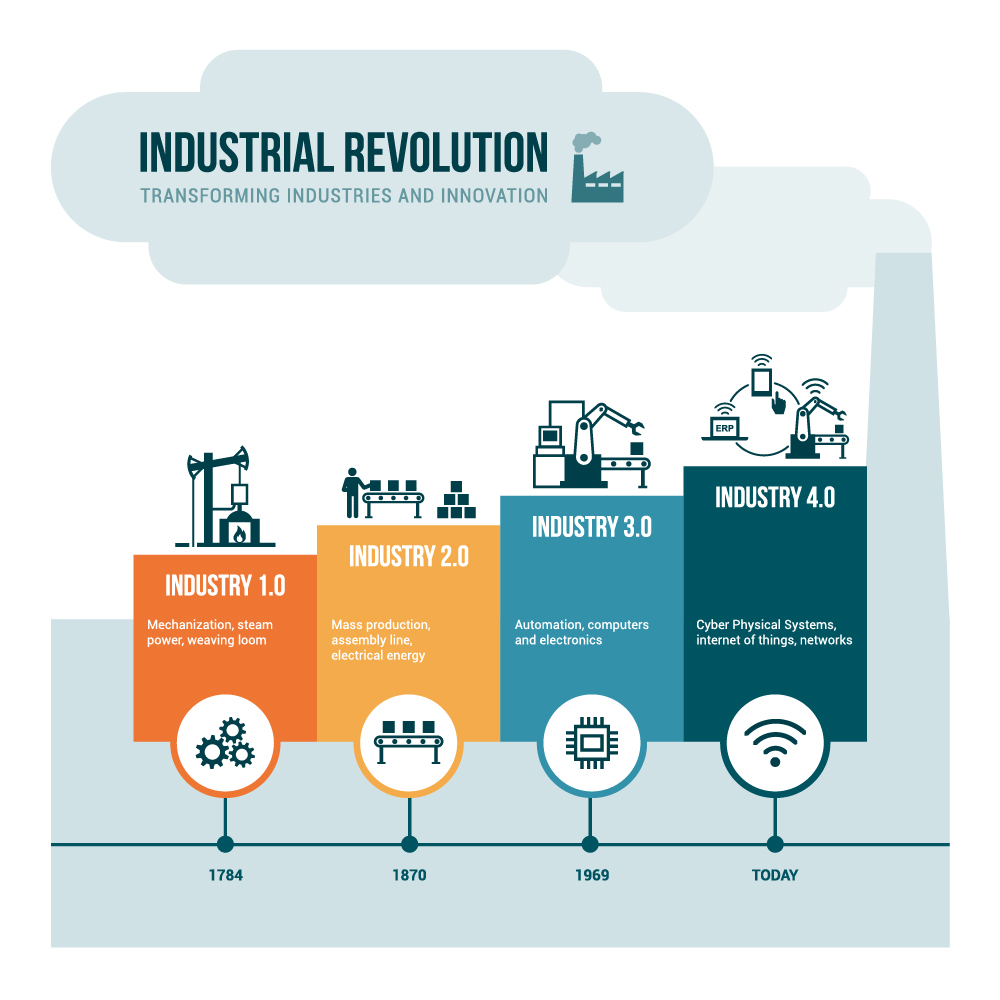
The emerging of digital technologies revealed the changing nature of work, which causes the need for re-skilling, relocation, and flexibility on a scale and forming the digital economy such as the rise of ‘digital nomad’ and ‘gig economy’. From the report of Cognizant (2017) that describing the characteristics of 21 new job roles, “coaching, caring, connecting” are the three themes identified. All of these roles involve significant human input, even if the technology is central to their function.
Among these topics I was specifically participated in the discussion in week 3 MOOC course, related to the changing time, changing roles; the IOTs; and the changing nature of work.


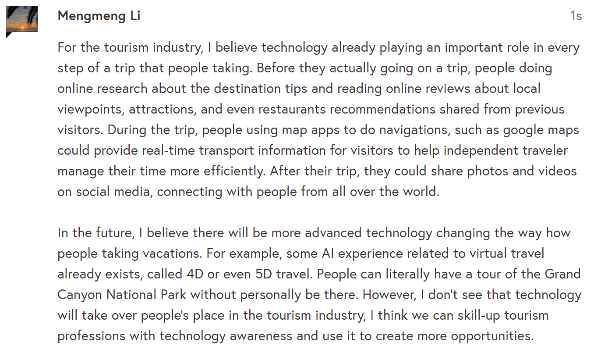
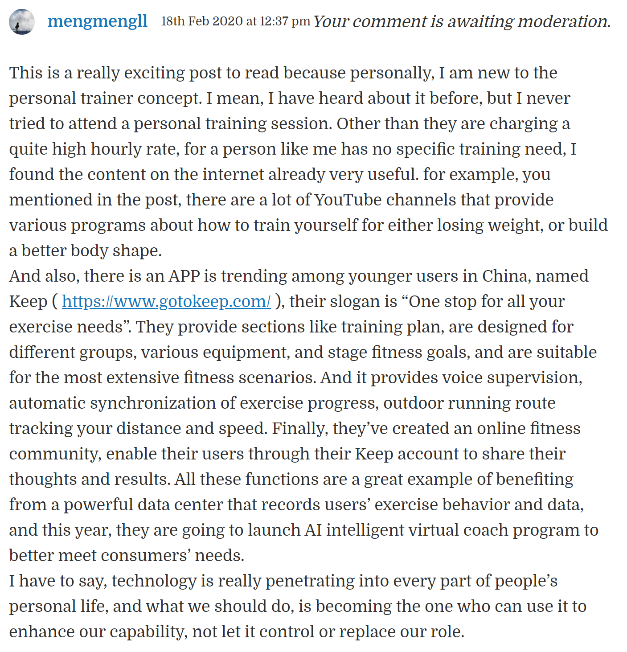
These lead to the first post about the job roles that changed by the digital economy, or about to change. I looked into details of the tourism industry, and find out the impact of online travel agency cause to traditional high street travel agents. And from reading several posts of other students, I found the change of personal trainer posted by claudia0601 and checkout assistant posted by liamvinson are specifically interested in me. Thus, I shared my personal experience of the exercise app and questioned the feasibility of tech-enabled stores.

After that, we continue to follow the steps of digital economies. For existing traditional businesses to be future-ready, digital transformation is unavoidable progress. There are multiple barriers to change, such as creativity limitation, cultural mindset, and satisfaction of the status quo. To overcome these challenges, according to Jim Hemerling (2016) of the Boston Consulting Group, there are five strategic imperatives to emphasize the need to put people first.
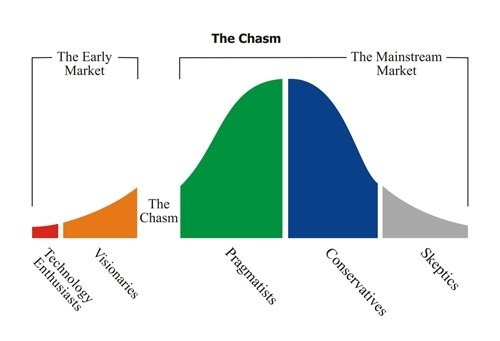
For innovation startups, there tends to be a tempting prospect yet with greater risk. Thus, usually, they would go through the process of venture capital funding seeking investors for support. To grow, they also need to consider the technology adoption lifecycle to successfully crossing “the chasm” (1990).
After looking into details of the circular economy and sharing economy, it brings us to the different digital business models that contribute to successful businesses. My subject was Expedia.com an online travel agency, and I found Bird Scooters, posted by liamvision, and HelloFresh, posted by pjjr201, are quite interesting cases, and I shared my personal experience and thoughts, shown as below.


Looking into the future
Comments Links:
Effects of Digital Economies on the Checkout Assistant
Bird Scooters. Flying with an On Demand Business Model.
HelloFresh: The New Way Of Eating
References
A quote from The Salmon of Doubt. Goodreads.com. (2020). Retrieved 8 April 2020, from https://www.goodreads.com/quotes/39828-i-ve-come-up-with-a-set-of-rules-that-describe.
Hemerling, J. (2016). Transcript of “5 ways to lead in an era of constant change”. Ted.com. Retrieved 8 April 2020, from https://www.ted.com/talks/jim_hemerling_5_ways_to_lead_in_an_era_of_constant_change/transcript?language=en.
Law, R. (2019). Crossing the Chasm: How to Scale a SaaS Company. Cobloom.com. Retrieved 8 April 2020, from https://www.cobloom.com/blog/crossing-the-chasm.
Negroponte, N. (2014). Transcript of “A 30-year history of the future”. Ted.com. Retrieved 8 April 2020, from https://www.ted.com/talks/nicholas_negroponte_a_30_year_history_of_the_future/transcript.
Roach, S. (2018). THE 4TH INDUSTRIAL REVOLUTION – Load Balancers. Load Balancers. Retrieved 8 April 2020, from https://kemptechnologies.com/blog/the-4th-industrial-revolution/.
 Mengmeng's Blog